What Got Printed and What Got Written
When a journalist needed to file copy on a cluster of records with shared characteristics, they reached for a term. "Braindance." "Intelligent techno." "Ambient house." These words moved through editorial pipelines and into print. What they did not do, in most cases, is appear on the records themselves.
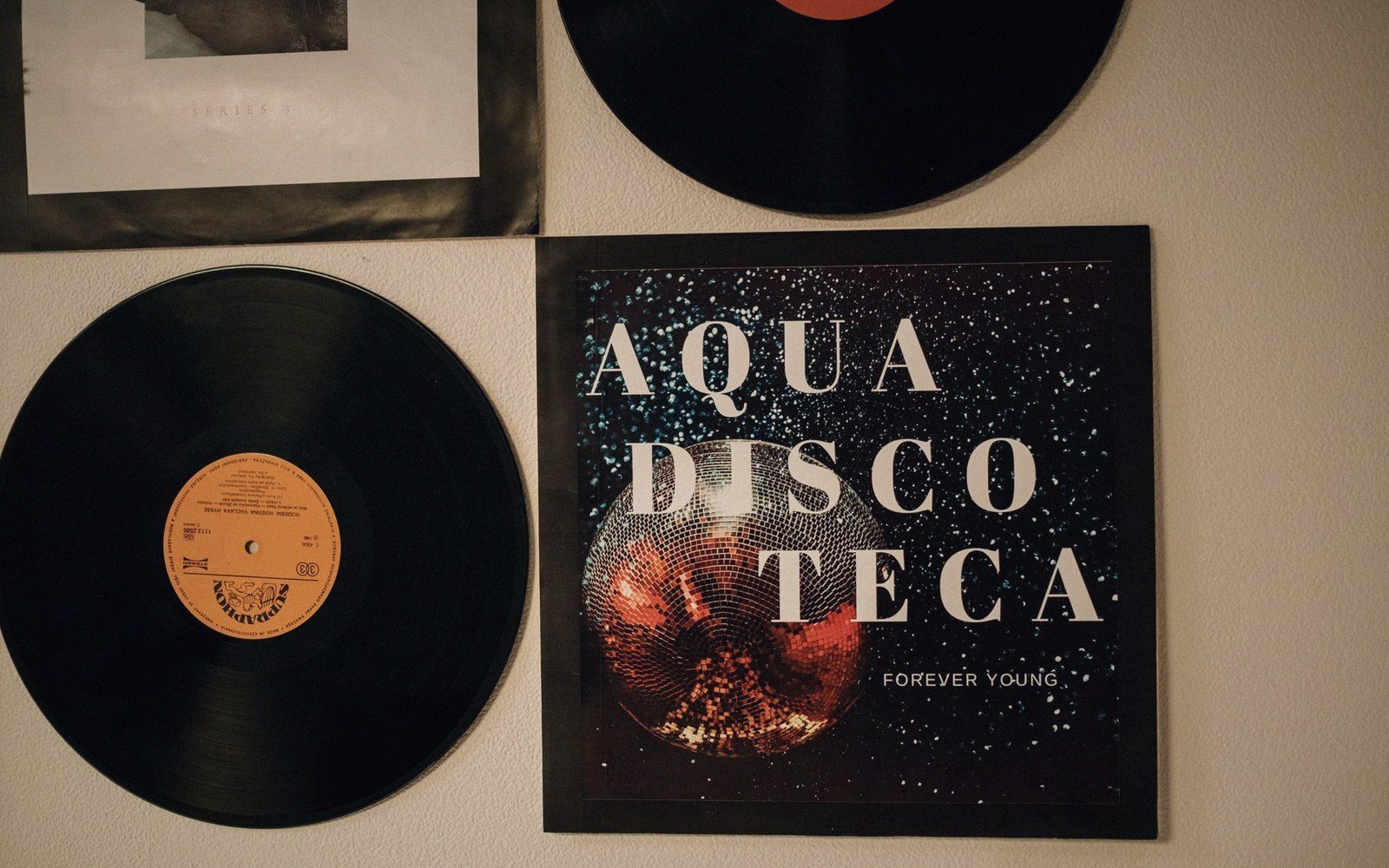
Pick up a twelve-inch from a small British electronic label circa 1992–1994 and read what is actually printed. You will find catalogue numbers, matrix run-out etchings, sometimes a genre descriptor — but the descriptor tends toward the functional: "techno," "house," occasionally "electronic." Labels printing "ambient techno" or "braindance" on a sleeve are rare enough to notice. The press needed handles; the label needed to move stock. These are different problems.
The consequence for the record historian is practical: genre terms are metadata imposed after the fact, and using them to sort a collection can misrepresent what a label understood itself to be doing. The catalogue number, the distributor relationship, the mastering credit — these are primary sources. The NME subheading is not.
This is not a criticism of music journalism. Descriptors help listeners navigate; they encode real aesthetic distinctions. Braindance as a working description is a genuine argument, not just a press convenience. But the origin of a term matters. When a word was invented in Soho rather than pressed in Walthamstow, it carries a different kind of authority — useful for orientation, unreliable as evidence of what the record was meant to be.
Read the sleeve. Treat the review as interpretation.