What the Term Actually Points At
Braindance emerged as a category description applied to a cluster of British and European electronic music in the early 1990s — complex rhythms, heavy use of samplers, melodic density, and tempos that sat awkwardly between rave and ambient. It was a catalogue convenience before it was anything else: a way of filing records that didn't belong in the acid house or jungle rows.
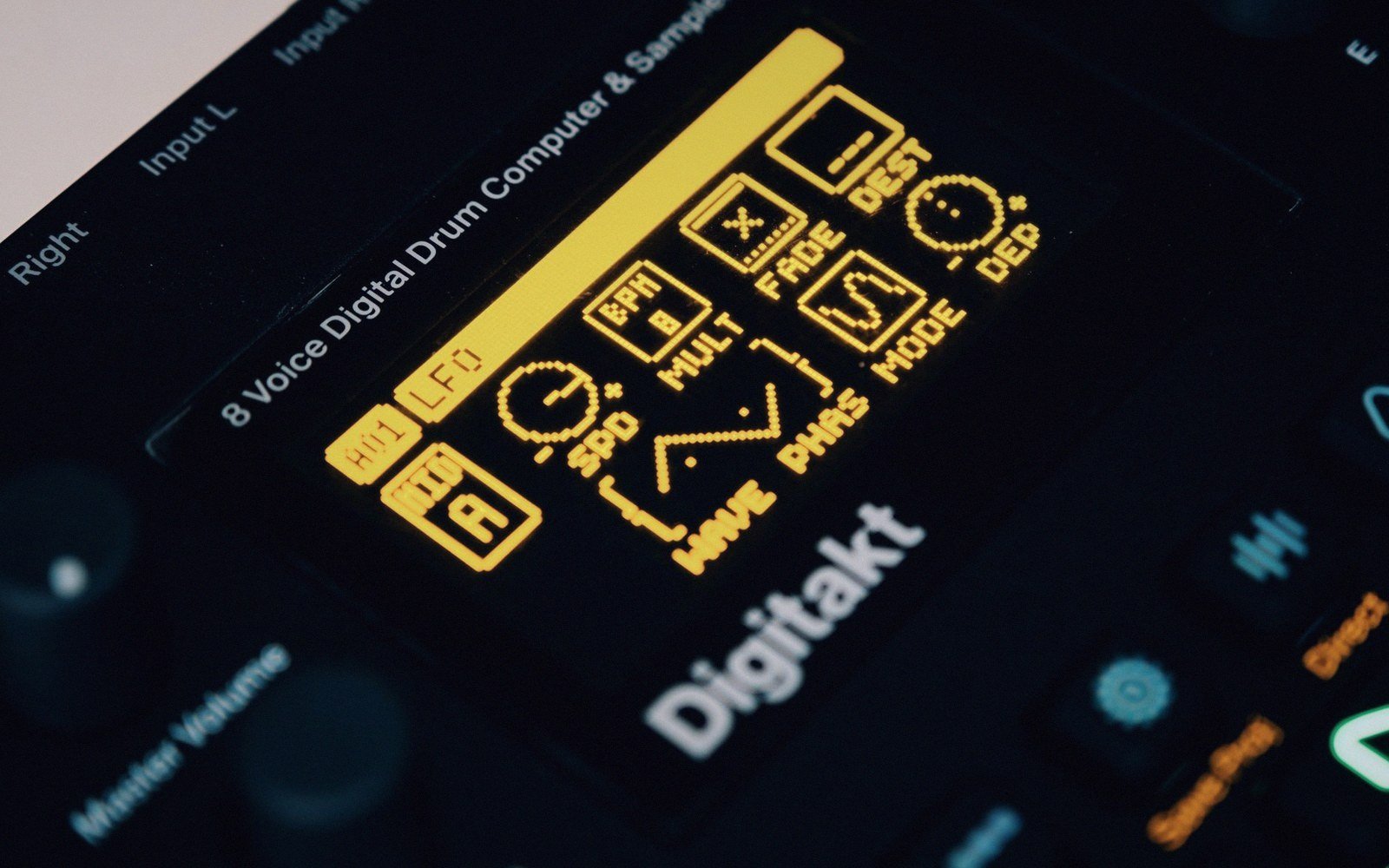
Sonically, the term does reliable work in a narrow band. It picks out tracks built around irregular or syncopated drum programming — often sequenced on trackers or step sequencers rather than played live — layered over sample-heavy melodic lines with the artefacts of 12-bit conversion audible in the texture. The overall effect is music that resists the body's autopilot. It asks more than a standard four-four floor track: the rhythm keeps moving beneath you.
Where the description breaks down is at both edges. Applied too loosely, braindance swallows records that are simply odd, and loses all discriminating value. Applied too strictly, it becomes a synonym for a handful of Rephlex catalogue entries and nothing wider — which is a discographic accident, not a genre definition. Rephlex Records did use the word as a marketing handle in the early nineties; that origin should inform how seriously you treat it as analysis.
The useful residue: braindance reliably identifies rhythmic complexity and sampler-dependent texture as the defining features, while staying agnostic about tempo, mood, or geography. Treat it as a working description of a method rather than a movement, and it holds up.